
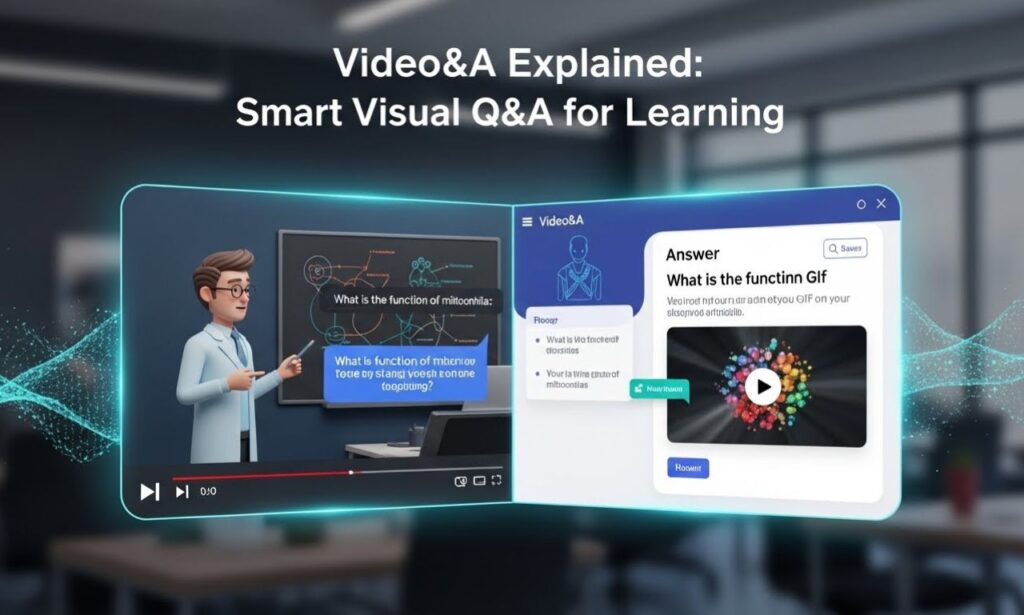

Introduction to Video&A
In today’s fast-moving digital world, people want answers quickly, clearly, and in a human way. Text alone often feels cold or confusing. This is where video&a comes in. It combines the power of video with structured questions and answers, creating a more engaging and effective communication format.
Video&A is not just a trend. It is becoming a practical solution for education, customer support, marketing, and internal communication. By allowing users to ask questions and receive video-based responses, it builds clarity, trust, and connection. As a result, many organizations are shifting toward this format.
This article explores video&a in detail, covering its meaning, benefits, use cases, challenges, and future potential. The goal is to give you a clear and up-to-date understanding of why this format matters today.
What Is Video&A and Why It Matters
Video&a refers to a communication format where questions are answered using video instead of plain text. Sometimes, questions themselves are also submitted in video form. This two-way visual interaction makes information easier to understand.
The importance of video&a lies in how people consume content today. Most users prefer watching over reading. Videos explain complex ideas faster and reduce misunderstandings. When paired with a question-and-answer structure, the result is both focused and engaging.
Another reason video&a matters is accessibility. People with different learning styles benefit from visual explanations. Tone of voice, facial expressions, and demonstrations add meaning that text often lacks.
How Video&A Works in Practice
The basic process of video&a is simple. A user asks a question. The response is delivered as a short, targeted video. However, behind this simplicity lies thoughtful design.
Questions can be collected through forms, comments, chat tools, or recorded clips. Answers are then created by experts, educators, or support teams. These videos are often stored in libraries, making them reusable.
Many platforms now integrate video&a into websites, apps, and learning systems. As a result, users can search for a question and instantly watch a relevant answer. This saves time and improves satisfaction.
Benefits of Using Video&A Content
One major benefit of video&a is clarity. Visual explanations reduce confusion and help viewers grasp ideas quickly. This is especially useful for technical or complex topics.
Another advantage is engagement. Videos naturally hold attention longer than text. When users feel engaged, they are more likely to remember information and take action.
video&audio also builds trust. Seeing a real person answer questions creates authenticity. It feels personal, even when delivered at scale. Additionally, video responses reduce repetitive work, since the same answer can help many users.
Video&A in Education and Online Learning
Education is one of the strongest use cases for video&audio. Students often struggle with written explanations alone. Video answers allow teachers to explain concepts step by step.
In online courses, video&a helps bridge the gap between learners and instructors. Students can ask questions and receive clear, visual feedback. This improves understanding and reduces dropout rates.
Moreover, recorded video answers create a growing knowledge base. Future learners benefit from past questions, making learning more efficient over time.
Video&A for Customer Support and Service
Customer support teams increasingly rely on video&a to handle common issues. Instead of long emails or scripted replies, short videos explain solutions clearly.
This approach reduces frustration. Customers can see exactly what to do, rather than guessing. As a result, support tickets are resolved faster.
video&audio also lowers costs. Once a video answer is created, it can be reused many times. This reduces the workload on support staff while maintaining high-quality service.
Marketing and Brand Communication with Video&A
In marketing, video&a builds stronger connections with audiences. Brands can answer common questions about products or services using video. This feels more honest and approachable.
Potential customers often hesitate before buying. Video answers address concerns directly, increasing confidence. Furthermore, these videos can be shared across websites and social platforms.
Video&a also supports transparency. When brands openly answer questions, they appear trustworthy. Over time, this strengthens brand loyalty.
Internal Communication and Training Benefits
Organizations use video&a internally to train employees and share knowledge. New hires can watch video answers to common questions, reducing onboarding time.
This format also supports remote teams. Employees across locations receive the same clear explanations. As a result, communication becomes consistent.
Additionally, video&a preserves institutional knowledge. When experienced staff leave, their recorded answers remain available for others.
Tools and Platforms Supporting Video&A
Many digital tools now support video&audio features. These include learning management systems, customer support platforms, and collaboration tools.
Some platforms allow easy recording, tagging, and searching of video answers. Others integrate analytics to track which questions are most viewed. This data helps improve content over time.
Choosing the right tool depends on goals. Education, support, and marketing may require different features. However, ease of use and accessibility remain key factors.
Challenges and Limitations
Despite its advantages, video&a has challenges. Creating quality video content takes time and planning. Poor audio or lighting can reduce effectiveness.
Another challenge is accessibility. Videos should include captions to support users with hearing difficulties. Without this, some audiences may be excluded.
Storage and organization also matter. As video libraries grow, finding the right answer can become difficult. Proper tagging and structure are essential.
Best Practices for Creating Effective Video&A
To succeed with video&a, keep videos short and focused. One question per video works best. This makes content easier to search and reuse.
Clear language is important. Avoid jargon when possible. Speak naturally and explain ideas step by step.
Visual quality matters too. Good lighting, clear audio, and simple backgrounds improve viewer experience. Finally, always consider the audience and their needs.
The Role of AI in Video&A Evolution
Artificial intelligence is shaping the future of video&audio. AI tools can help suggest questions based on user behavior. They can also recommend relevant video answers automatically.
Some systems even generate summaries or captions for videos. This improves accessibility and searchability. Over time, AI may help personalize video&audio experiences.
However, human presence remains important. Authenticity and empathy are hard to replace. The best results come from combining AI efficiency with human expertise.
Future Trends
The future of video&a looks promising. As video consumption continues to rise, this format will become more common across industries.
Interactive video answers may grow, allowing users to choose follow-up questions within a video. Live video&a sessions may also increase, blending real-time interaction with recorded content.
Virtual and augmented reality could further enhance video&a. Imagine visual answers that place users inside a simulated environment. These possibilities show how dynamic this format can become.
Why Video&A Is Here to Stay
Video&a aligns with how people learn and communicate today. It is visual, personal, and efficient. These qualities make it suitable for many purposes.
As technology improves, creating and sharing video answers will become even easier. Organizations that adopt this format early gain a competitive advantage.
Ultimately, video&audio is not about replacing text entirely. It is about choosing the best medium for clarity and connection.
Conclusion
Video&a represents a powerful shift in digital communication. By combining video with structured questions and answers, it delivers clarity, engagement, and trust. From education to customer support, its applications are broad and growing.
While challenges exist, best practices and modern tools make implementation manageable. As AI and interactive technologies evolve, video&audio will become even more effective.