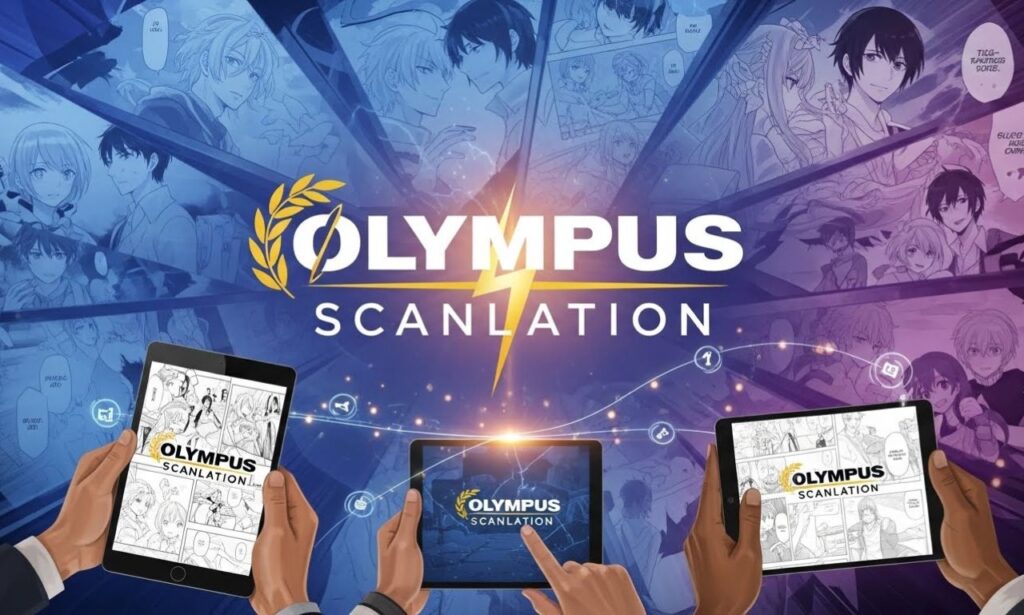

Introduction to Olympus Scanlation
Manga enthusiasts around the world know that the joy of reading their favorite series often comes with a catch: accessibility. With many titles tied up in licensing issues or slow release schedules, it can feel like a struggle to keep up. Enter Olympus Scanlations—a game-changing platform that aims to bridge this gap and make manga more accessible than ever before. By harnessing cutting-edge technology and creative collaboration, Olympus Scanlation is not just another scanlation site; it’s a movement towards democratizing manga for fans everywhere. Let’s delve deeper into how this new wave of scanlation is reshaping the landscape of manga consumption and what it means for readers and creators alike.
The History of Scanlation and its Impact on Manga
Scanlation emerged in the late 1990s as fans began digitizing manga from Japan. This grassroots movement allowed non-Japanese speakers to access stories that were previously unavailable to them. Early scanlators worked passionately, often translating content for love rather than profit. They relied on simple tools and dedication, leading to a surge in popularity for various series worldwide.
As the internet expanded, so did scanlation groups. These communities blossomed into vibrant hubs where enthusiasts shared their favorite titles and discussed plots and characters. The impact was profound. Fansubs paved the way for greater cultural exchange and appreciation of Japanese media. They fostered a global community around manga, influencing industry trends over time. Mainstream publishers eventually took note of this phenomenon, shifting their strategies to cater more directly to international audiences eager for authentic experiences in storytelling through manga.
Advancements in Scanlation Technology
The landscape of scanlation has evolved dramatically over the years, thanks to technological advancements. Tools like Optical Character Recognition (OCR) have revolutionized the process. This software allows creators to quickly extract text from images, significantly speeding up translation. Digital art tools have also made it easier for scanlators to edit and enhance manga panels. Software like Photoshop or GIMP lets artists clean up images and adjust colors seamlessly.
Cloud storage solutions facilitate collaboration among teams scattered across different regions. Members can work simultaneously on projects without worrying about file transfers or version control. Additionally, social media platforms provide new avenues for sharing scanlations with a broader audience. Readers can now engage directly with creators, fostering community discussions that enrich the experience for everyone involved in this vibrant subculture.
Benefits of Olympus Scanlations for Readers and Creators
Olympus Scanlation opens doors for readers everywhere. It provides access to a vast library of manga titles that might not be available in their local regions. This means fans can enjoy the latest stories and art styles without geographical limitations.
For creators, Olympus Scanlation offers an opportunity for exposure. Independent artists and writers can showcase their work, reaching audiences who may have never discovered them otherwise. The platform fosters a community where talent gets recognized outside traditional publishing routes. Moreover, it encourages dialogue between creators and fans. Readers share feedback and support through comments, leading to better engagement with content. This interaction nurtures creativity and helps refine storytelling skills over time. Additionally, Olympus Scanlation promotes diverse voices in manga culture. By amplifying underrepresented genres or themes, it enriches the overall landscape of storytelling in manga form.
Potential Challenges and Controversy Surrounding Olympus Scanlations
Olympus Scanlation, while a boon for many readers, isn’t without its share of controversy. One significant concern is the legality surrounding scanlated content. Many creators and publishers argue that unauthorized translations infringe on copyright laws. Additionally, there’s an ongoing debate about the impact of scanlation on official releases. Some believe it undermines sales and diminishes support for local publishers. This can create a rift between dedicated fans and those striving to make a living in the manga industry.
Quality control also poses challenges. Not all scanlations maintain high standards of translation or artwork quality, leading to potential misinformation or misinterpretation of original works. The community often finds itself divided over these issues, with strong opinions on both sides urging collaboration rather than conflict. Balancing accessibility with respect for creators remains crucial as Olympus Scanlation continues to grow in influence within the manga landscape.
How to Support the Manga Industry While Enjoying Olympus Scanlations
Supporting the manga industry while enjoying Olympus Scanlations is a delicate balance. Readers can start by purchasing official releases of their favorite series, even if they’ve read them through scanlation. Engaging with creators on social media platforms also makes a difference. Sharing your love for their work helps build community and encourages more content production.
Consider crowdfunding campaigns or merchandise purchases that directly support artists. Many creators appreciate this additional backing, ensuring they can continue creating great stories. Participating in discussions about licensed versions can further help raise awareness around what readers want to see officially translated. Promoting legal streaming services and publishers reinforces the importance of supporting the original material while still indulging in fan-driven projects like Olympus Scanlation.
Conclusion: Looking Towards the Future of Manga Accessibility
As we look ahead, the landscape of manga accessibility continues to evolve. Olympus Scanlation is at the forefront, breaking barriers for readers around the globe. The platform not only democratizes access to beloved series but also embraces technological advancements that enhance our reading experience. With each new chapter made available through scanlation efforts, fans can connect with their favorite stories like never before. This shift encourages a more inclusive environment where creators and readers alike can thrive. However, it’s crucial to remain mindful of supporting the industry that brings these narratives to life.
The future holds promise for a harmonious relationship between traditional publishers and innovative platforms like Olympus Scanlation. Together, they can pave the way for sustainable growth in manga distribution while ensuring that quality content remains accessible to all enthusiasts worldwide. As we embrace this exciting era in manga culture, let us celebrate both the art form we love and those who work tirelessly behind-the-scenes—ultimately enriching our lives with captivating tales from diverse voices across different cultures.